Kittenville Tier List
Community S–C ranks for Survivors, Hunter threats, and Open World cat value.
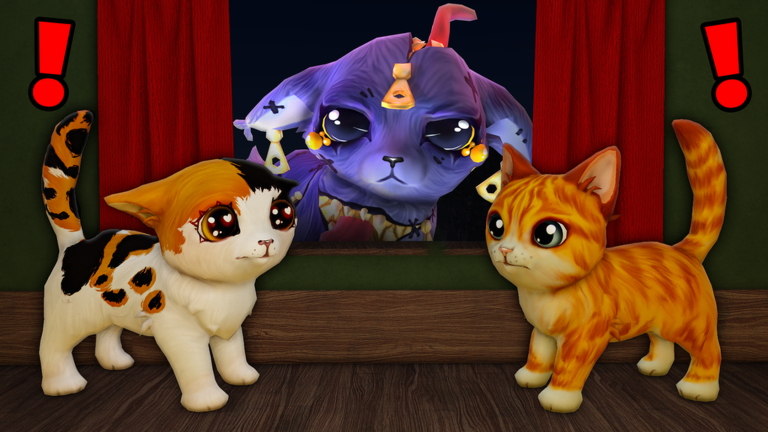
This Tier List Hub ranks Kittenville through a community lens for the November 2026 meta. It is not an official Kittenville Corporation ranking. Balance patches, new accessories, egg lines, and Battle Pass or Halloween events can move items overnight. Use these S / A / B / C bands to prioritize practice and spending—not as a permanent gospel.
Kittenville’s loop has two halves. In matches, Survivors complete feeding stations, unlock exits, and endure Hunter pressure across roughly eight-minute rounds. After five matches, Open World unlocks for collecting cats, trading, minigames, and skins. A useful tier list therefore covers Survivor playstyles, Hunter threat patterns, and Open World cat rarity / value—three ladders that share currencies like Paws, Meteor, and Diamond Fish from play and codes.
How to read these tiers
| Tier | Meaning in this hub |
|---|---|
| S | Highest impact for the current meta; learn or chase first |
| A | Strong and flexible; safe investments with clear upsides |
| B | Playable or collectible, but situational or slower value |
| C | Niche, trap options, or low trade priority right now |
Criteria mix win contribution, consistency for average players, and Open World opportunity cost. A flashy skin can be C-tier for value even if it looks S-tier in the shop. Conversely, a humble Survivor habit can be S-tier if it saves more exits than rare cosmetics ever will.
New players should skim this page, then follow Getting Started so early matches build Open World access before deep trading.
Survivor playstyle tiers
Survivors win by finishing feed objectives, managing information, and converting unlocked exits under Hunter pressure. Loadouts and cosmetics matter less than habits that keep stations progressing while someone draws or delays the Hunter.
S-tier Survivor habits
- Station-first routing — Hitting feeding stations early and in efficient paths beats sightseeing. Matches are short; unfinished stations shrink exit odds for everyone.
- Sound and silhouette discipline — Moving with audio cues, avoiding needless sprint in open sightlines, and breaking line of sight after pings keeps the Hunter guessing.
- Exit conversion — Knowing when to stop greed-feeding and commit to the unlocked exit separates consistent escapes from late deaths.
A-tier Survivor habits
- Bait and peel support — Intentionally drawing Hunter attention so teammates finish a critical station is high skill and high value when coordinated.
- Resource awareness — Tracking which stations are done, which exits are live, and how much match time remains prevents double-backing across the map.
- Comms-minded solo play — Even without voice, playing as if teammates can read your pathing (not stealing the same station twice) raises lobby quality.
B-tier Survivor habits
- Loot tourism — Grabbing every side pickup before touching feeds. Fine in quiet lobbies; costly against a focused Hunter.
- Hero steals — Diving a downed teammate in the open every time. Heroic, often throwing a second body.
- Cosmetic-first identity — Equipping a new skin mid-learning curve without fixing routing fundamentals.
C-tier Survivor habits
- AFK or edge camping until exits appear — Starves the team of station progress and teaches nothing transferable to ranked-feeling lobbies.
- Taunt looping in open yards — Entertaining for highlight clips; terrible for eight-minute objective play.
- Ignoring Open World unlock pacing — Quitting before five matches delays the collection half of the game where long-term value lives.
Practice S and A habits in every lobby. Pair them with currency from working codes only after you know what you are saving toward.
Hunter threat tiers
From the Survivor perspective, Hunter “tiers” describe how dangerous a threat pattern feels in the current meta—not a formal ranked ladder of Hunter unlocks. Adjust after reading Updates when chase tools change.
S-tier Hunter threats
- Objective denial patrols — Hunters who camp unfinished feeding clusters and rotate on audio instead of random map tours. Stations stall; clocks bleed out.
- Exit-camp converts — Pressure that appears the moment exits unlock, punishing greedy last feeds.
- Information snowball — Early downs that reveal team routes and turn the remaining minutes into a cleanup.
A-tier Hunter threats
- Aggressive first-blood seekers who force Survivors into bad station order without fully locking the map.
- Zone control that owns mid-map chokepoints while still checking two high-value feed areas.
- Patience predators who wait for panic sprints after a teammate goes down.
B-tier Hunter threats
- Tunnel vision on a single Survivor across the whole map while stations complete elsewhere.
- Predictable loop routes that skilled Survivors bait away from objectives.
- Overcommit animations that give peel windows for revives or double-station pushes.
C-tier Hunter threats
- Spawn camping only with no objective read—scary for one player, weak against coordinated feeds.
- Emote or taunt focus that wastes chase tempo.
- Ignoring audio and relying solely on visual random checks.
Survivors climbing out of C-tier habits should study S-tier Hunter patterns first: if you can survive objective denial and exit converts, random chases become manageable. Hunters improving their own game should invert the list—practice denial patrols and exit timing rather than emote culture.
Open World cat rarity and value tiers
Open World is where collection, trading, eggs, accessories, and event tracks dominate. Cats can become exclusive over time, which means liquidity and prestige shift when a line leaves rotation. Eggs such as Origin and Naptail, plus seasonal accessory and Battle Pass or Halloween drops, create temporary spikes that this November 2026 snapshot cannot freeze forever.
S-tier value targets
- Confirmed exclusive or rotating-out cats still obtainable for a short window—priority for Paws and event currency before the gate closes.
- Egg lines with strong community demand (Origin- and Naptail-style prestige) when hatch expected value beats buying equivalents on trade.
- Flexible high-demand accessories that attach to many looks and remain desirable after the event ends.
A-tier value targets
- Stable popular cats that trade often even if they are not the rarest badge in a profile.
- Battle Pass track cats/skins with clear finish-line payoff if you already play daily matches.
- Minigame-efficient farms that convert time into Paws without ignoring limited exclusives.
B-tier value targets
- Duplicate-prone commons useful for learning trade UI but poor as long-term stores of value.
- Purely cosmetic impulse skins bought with Meteor the same day a code lands.
- Speculative event leftovers with unclear post-event demand.
C-tier value targets
- Panic buys at inflated same-day hype without checking recent trade comps.
- Hoarding every low-tier duplicate instead of consolidating toward exclusives.
- Spending Diamond Fish on low-impact fluff while an exclusive cat window is open.
Redeem active codes—including Meteor from STARFALL and Paws / Diamond Fish from ellivnettiK and QUESTUPDATE1—with this ladder in mind. Scarce Diamond Fish should not vanish on C-tier impulse the night before an egg or exclusive ends.
Spending priority checklist
- Unlock Open World (five matches) before obsessing over trade flexes.
- Redeem live codes on the Codes Hub.
- Fund S-tier exclusive or high-demand egg targets first.
- Practice S-tier Survivor habits so matches stay fun while you grind.
- Re-check Updates when accessories or Battle Pass tracks reshuffle value.
- Avoid scripted auto-farm shortcuts; see the Scripts Hub for why that path is scarce and risky.
Meta caveats for November 2026
- Rankings are community-oriented opinion, synthesized for clarity—not developer gospel.
- Horror match balance and Open World economy can diverge; a god-tier cat does not make you an S-tier Survivor automatically.
- Halloween, Battle Pass, and accessory updates have already shown that seasonal pressure moves tiers quickly.
- If a patch nerfs a Hunter tool or rotates a cat to exclusive, promote or demote that row in your personal notes even before this page refreshes.
For onboarding order, use Getting Started. For free currency, use Codes. For patch context, use Updates. For cheating myths, use Scripts. This hub’s job is sharper priorities: survive with better habits, respect dangerous Hunter patterns, and spend collection resources where exclusivity and demand still pay off.
Frequently Asked Questions
Quick answers for Kittenville on Roblox.
Is this Kittenville tier list official?
No. It is a community-oriented November 2026 opinion guide for Survivor habits, Hunter threat patterns, and Open World cat value. Official balance lives in the game and patch notes.
What does S-tier mean here?
S-tier means highest practical impact right now—habits, threats, or cats you should prioritize first. A, B, and C step down in consistency or value.
Should I chase cats or get better at matches first?
Play five matches to unlock Open World, learn S-tier Survivor habits, then spend Paws and Diamond Fish on exclusives and high-demand eggs. Skill and collection reinforce each other.
Do codes change the tier list?
Codes do not change ranks directly, but free Paws, Meteor, and Diamond Fish let you reach S-tier collection targets sooner. Redeem them before impulse C-tier spends.
Why are Hunter tiers about threats instead of unlock names?
Threat patterns (objective denial, exit converts, information snowballs) describe what Survivors actually feel across patches, even when specific Hunter tools rotate.
How often will these tiers move?
After major balance patches, egg rotations, accessory drops, or Battle Pass and Halloween events. Recheck Updates and adjust personal priorities when exclusives appear.